

Are Organic Pet Grooming Products Worth It?
Last Updated: November 17, 2026
Quick Summary
Organic pet grooming products clean, condition, and support skin health using plant-derived ingredients that meet organic production standards, without relying on harsh chemicals. They matter because a dog's skin absorbs what sits on it, so gentle formulas with ingredients like oatmeal, aloe vera, and jojoba oil help avoid residue and irritation.
- Look for plant-derived surfactants, oatmeal, aloe vera, and jojoba oil in organic dog shampoo.
- Only products with at least 95% certified organic ingredients can carry the USDA organic seal.
- Avoid artificial dyes, synthetic fragrance, parabens, phthalates, and harsh sulfates in grooming products.
- Patch test a dime-sized amount on the inner leg or belly and wait 24 to 48 hours.
- Bathe every four to six weeks and brush two to three times a week unless your vet says otherwise.
Table of Contents
- What Organic Pet Grooming Products Actually Do for Your Pet
- Organic Dog Shampoo: What It Cleans and What It Leaves Behind
- Organic Pet Shampoo for Sensitive Skin: Soothing Itch and Irritation
- Natural vs. Organic Pet Products: Reading the Label Correctly
- Pet Grooming Product Ingredients to Avoid
- How to Patch Test and Switch Products Without a Reaction
- Choosing Grooming Tools That Support an Organic Routine
- Building Your Pet's Organic Grooming Routine at Furtastic
- Frequently Asked Questions
What Organic Pet Grooming Products Actually Do for Your Pet
Organic pet grooming products are formulas made with plant-derived ingredients that meet organic production standards, and they clean, condition, and support skin health without relying on harsh chemicals. That matters because a dog's skin absorbs what sits on it.
Below, we break down what each product type does, how to read a label without being fooled, and how to switch safely. Keep reading because the label section alone will save you from paying premium prices for a bottle that is mostly water and fragrance.
Organic Dog Shampoo: What It Cleans and What It Leaves Behind
A good organic dog shampoo lifts dirt, oils, and odor, then rinses clean enough that nothing stays behind to irritate skin. The "leaves behind" part is where cheap formulas fail. Synthetic thickeners and heavy fragrances cling to the coat, and residue is a common trigger for itching between baths.
What to look for in the bottle:
- Plant-derived surfactants such as coconut or oat-based cleansers
- Oatmeal and aloe vera for skin soothing
- Jojoba oil for light coat conditioning
- Short ingredient lists with recognizable names
- A pH balanced for pets, not people
Human shampoo is formulated for human skin, so it is not a suitable substitute for a dog's coat. Grabbing the family shampoo "just this once" is a common mistake that can strip oils and leave the coat dull.
Organic Pet Shampoo for Sensitive Skin: Soothing Itch and Irritation
Sensitive-skin formulas exist for dogs and cats prone to itching, dryness, redness, and allergy flare-ups. Organic pet shampoo for sensitive skin should calm irritation rather than simply perfume over it. The active helpers here are oatmeal, aloe vera, and colloidal-type plant extracts that support the skin's own barrier.
Here is how the categories differ:
| Skin issue | What helps | Ingredient to favor |
|---|---|---|
| Itchy, reactive skin | Skin soothing, reduced irritation | Oatmeal, aloe vera |
| Dry, flaky coat | Moisturizing and hydration | Jojoba oil, plant oils |
| Dull, rough coat | Coat conditioning and shine | Oils plus gentle cleansers |
| Frequent bathing | Mild, easy-rinsing formula | Plant-derived surfactants |
Bathing frequency matters as much as the formula. Over-bathing strips natural oils even with a gentle shampoo, so most sensitive pets do better on a schedule spaced out with plain water rinses between full baths.
Natural vs. Organic Pet Products: Reading the Label Correctly
Natural and organic are not the same claim. "Natural" has no strict legal definition on a pet shampoo label.
The USDA organic seal is governed by the National Organic Program, which sorts labeling claims into tiers.
| Label claim | What it legally means | What to assume |
|---|---|---|
| "100% organic" | All ingredients are certified organic, excluding water and salt | Strongest claim; rare in pet grooming |
| "Organic" | At least 95% of ingredients (by weight, excluding water and salt) are certified organic | The seal can appear; the remaining 5% still matters |
| "Made with organic [ingredient]" | At least 70% certified organic ingredients | Partial claim; up to 30% can be non-organic |
| "Natural" or "plant-based" | No federal definition for pet grooming | Marketing language; verify the ingredient list yourself |
How to verify what you are buying:
- Look for a named certifying body on the label, not just the word "organic"
- Check whether the certification covers the whole product or a single ingredient
- Search the certifier's online directory for the brand's listing
- Treat "made with organic ingredients" as a partial claim, not a full one
- Ask the seller for the ingredient source if the label is vague
The USDA National Organic Program publishes the production standards and the labeling categories behind certified organic claims, and its rules are worth a five-minute read before you spend money on a premium bottle.
Watch out: a grooming product that contains certified organic ingredients is not automatically "certified organic" as a finished product. Check the label to see whether the certification covers the whole formulation or only a single ingredient.
One more distinction worth internalizing: "organic" describes how an ingredient was grown and processed, not whether it is safe for your pet. Some certified organic essential oils are still risky for cats.
Pet Grooming Product Ingredients to Avoid
Some ingredients are commonly avoided in grooming products, organic or not. Ingredients often flagged by pet owners include:
- Artificial dyes, which add color and nothing else
- Synthetic fragrance, a frequent trigger for skin irritation
- Parabens and phthalates, used as preservatives and fixatives
- Harsh sulfates that strip oils faster than the skin can replace them
- Formaldehyde-releasing preservatives
Watch out: "fragrance-free" and "unscented" are not interchangeable. Unscented products can still contain masking fragrance. If your pet has reacted before, scan for the word "fragrance" anywhere on the list.
Chemical exposure is cumulative. A single bath with a harsh shampoo is unlikely to cause a problem, but weekly exposure to the same irritant can build into chronic itchy skin. That is the strongest argument for reading every label, every time.
Species matters more than the label
A formula that suits a dog is not automatically safe for a cat. Cats groom themselves constantly, so anything left on the coat ends up in their mouth. Their liver also processes many plant compounds differently than a dog's does, which is why several ingredients considered fine for dogs are a genuine concern for cats.
Essential oils are the clearest example. Many plant-derived formulas rely on oils such as tea tree, eucalyptus, peppermint, citrus, and pine for scent or preservation. Concentrated tea tree oil is generally advised to be kept away from cats. "Organic" and "natural" do not make an essential oil safe, the dose and the species do.
A practical species check before you buy:
- Confirm the label names the species it is formulated for, not just "pets"
- For cats, avoid formulas with concentrated essential oils, especially tea tree and citrus
- For puppies, pregnant pets, or pets on medication, ask your veterinarian before switching
- Keep grooming products sealed and out of reach, since accidental ingestion is a real risk
- Never use a dog flea or tick product on a cat unless the label explicitly permits it
Ingestion and residue
Residue is not just a skin issue. A pet that licks its coat after a bath ingests whatever the rinse left behind. That is why thorough rinsing matters as much as the ingredient list, and why heavily fragranced formulas are a poor choice for pets that groom frequently.
If you suspect your pet has swallowed a grooming product, contact your veterinarian or a pet poison resource right away rather than waiting for symptoms. Signs to watch for include drooling, vomiting, wobbliness, and excessive pawing at the mouth.
Evidence and realistic expectations
Gentle, well-formulated products are designed for everyday grooming, but they are not treatments. If your pet has persistent itching, hair loss, ear infections, or a rash that does not resolve, that is a veterinary question, not a shampoo question. Persistent symptoms can have underlying causes, such as allergies, parasites, or thyroid problems, that only a veterinarian can diagnose.
Treat label claims about "hypoallergenic" or "soothing" as marketing until the ingredient list and your pet's response back them up. The most reliable evidence you will get is a patch test and a slow, one-product-at-a-time transition.
How to Patch Test and Switch Products Without a Reaction
Switching products safely takes about a week and costs you nothing but patience. A patch test is the practice of applying a small amount of a new product to a limited area and watching for a reaction before using it on the whole pet.
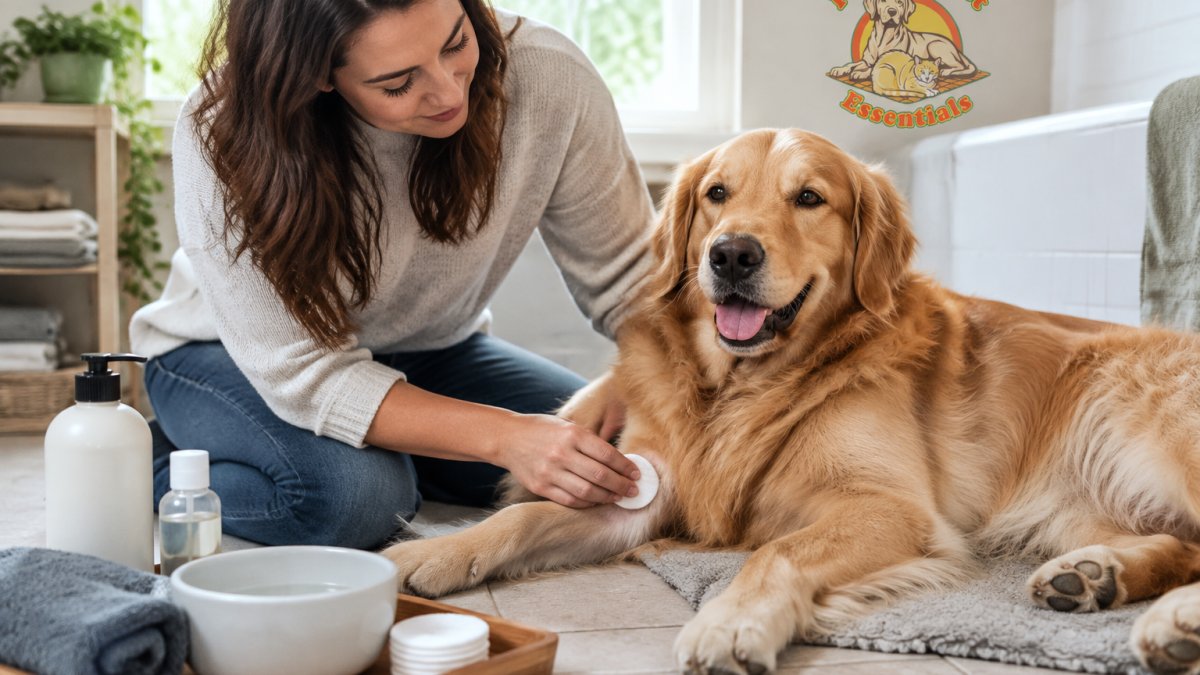
The process we recommend:
- Apply a dime-sized amount to a small patch on the inner leg or belly
- Wait 24 to 48 hours and check for redness, swelling, or scratching
- If the patch is clear, do a full bath with the new product
- Rinse thoroughly, since residue causes more reactions than ingredients do
- Keep the old product on hand for two weeks in case you need to switch back
Transition guidance is simple: change one product at a time. If you swap shampoo, conditioner, and a new brush in the same week, you will never know which one caused the problem. Slow down and you will learn what actually works for your pet's skin.
Choosing Grooming Tools That Support an Organic Routine
Tools either help a gentle formula do its job or undo it.
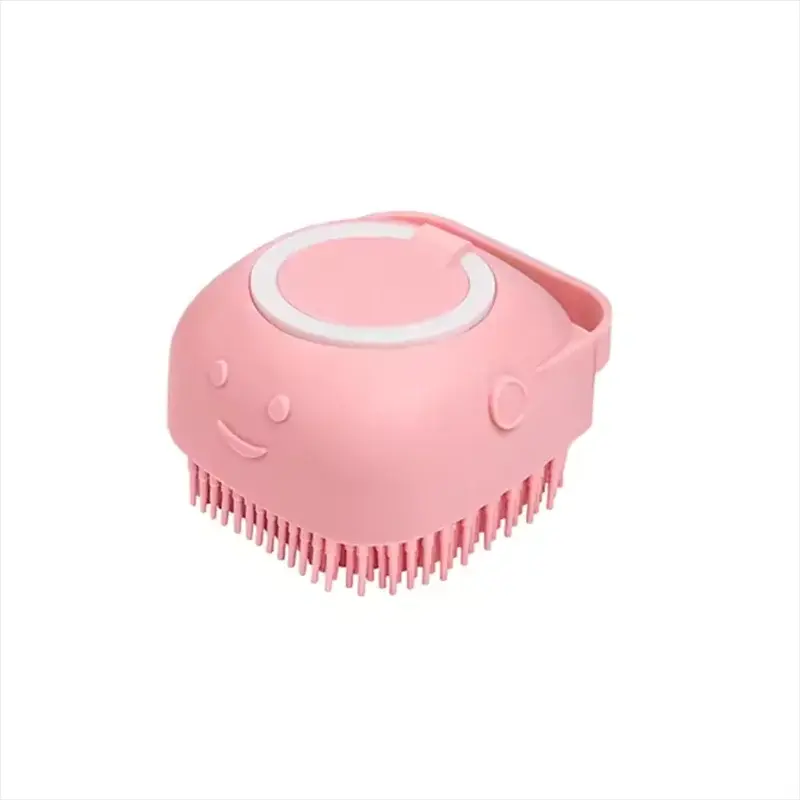
For a bath-time upgrade, our silicone pet bath massage brush has flexible bristles that follow your pet's body contours and helps distribute shampoo. It is described as non-toxic and free from harsh chemicals.
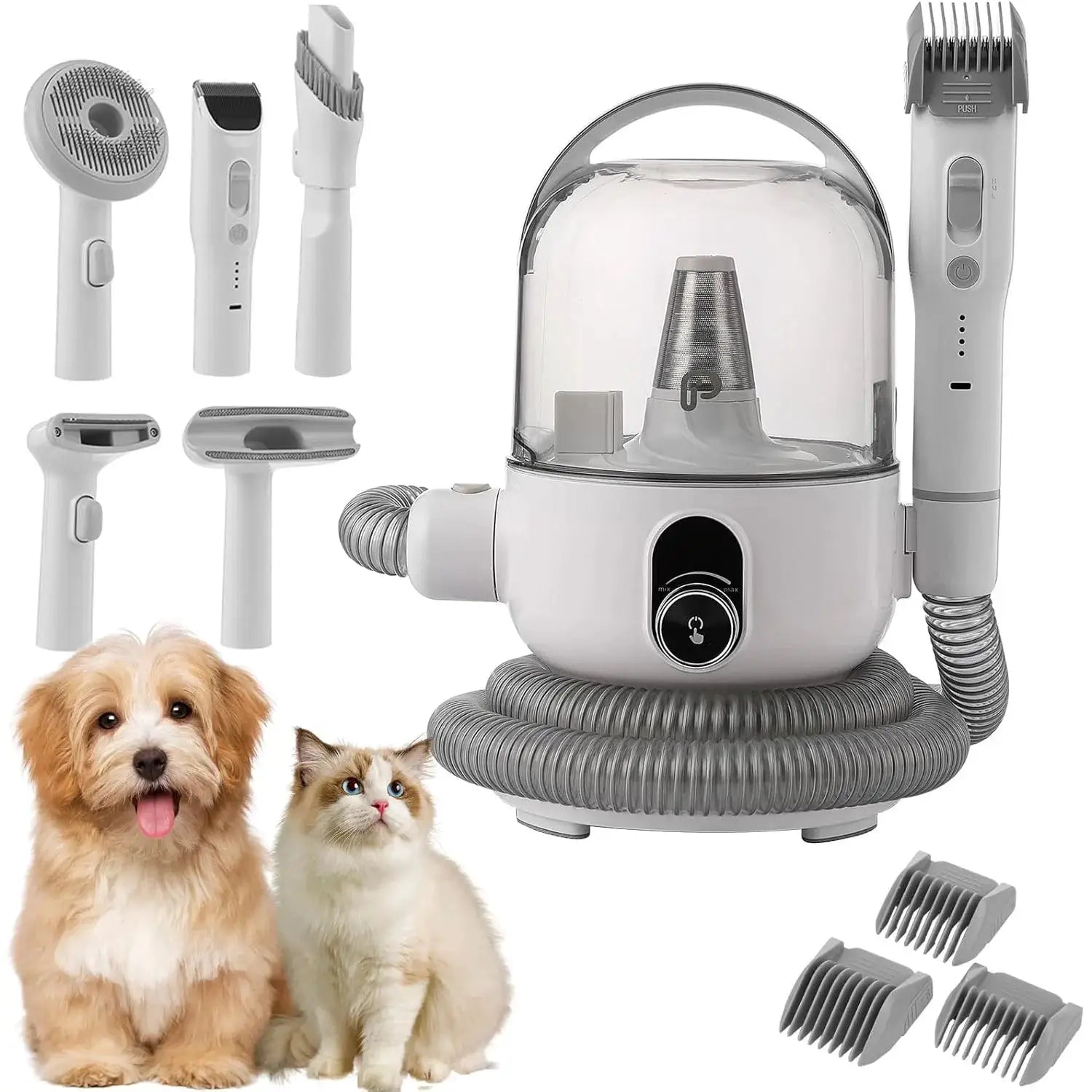
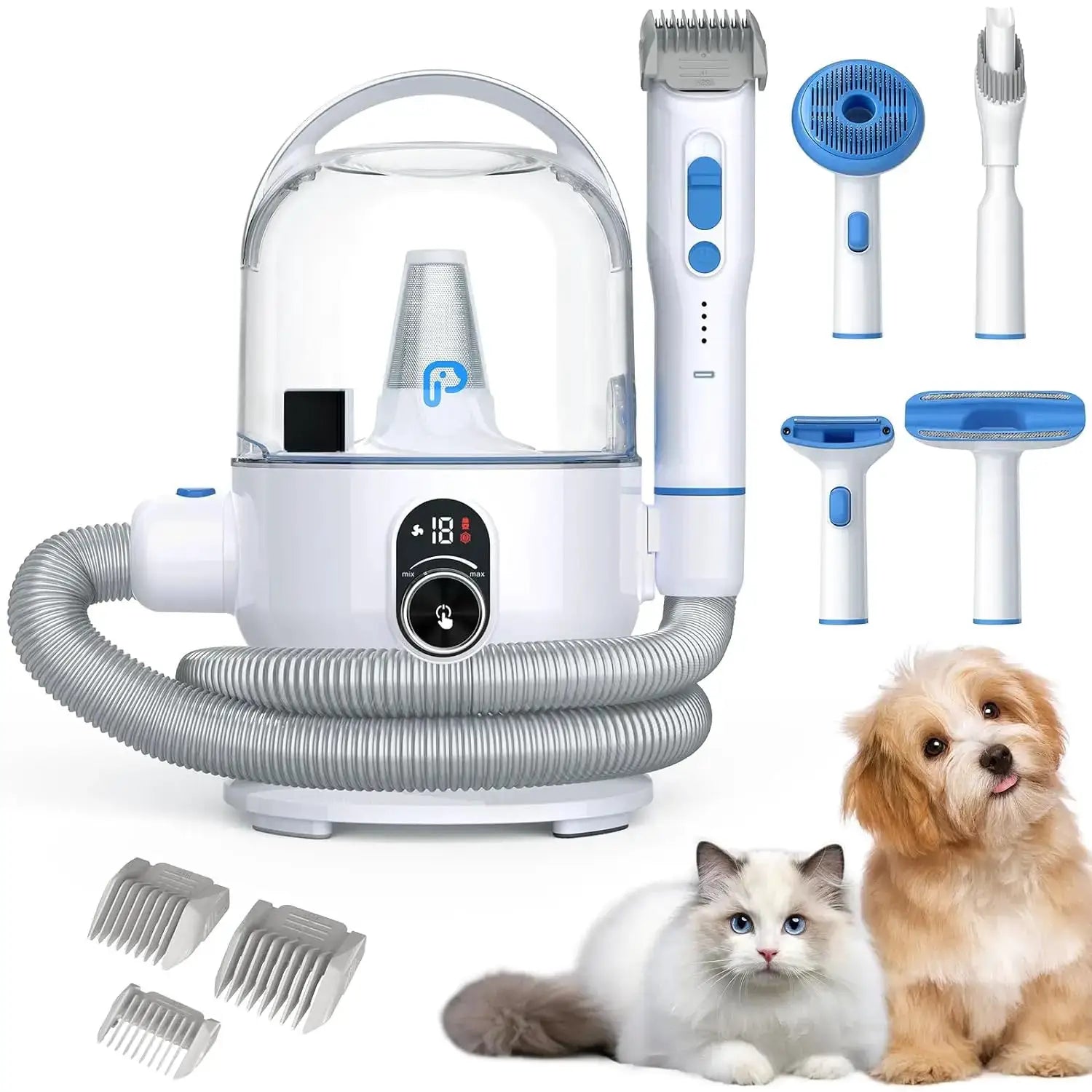
If you want a full at-home setup, the DishyKooker pet grooming kit pairs a quiet vacuum with five grooming tools, 16 suction levels up to 13.4 KPa, and four guide combs for trimming between grooming sessions. Comparing options? The HiMISS dog grooming kit offers a 2L vacuum setup with stainless-steel blades and a 12-month warranty.
A quick rule: match the tool to the coat. Short coats need less combing, long coats need daily detangling, and double coats need undercoat tools during shedding season.
Building Your Pet's Organic Grooming Routine at Furtastic
A routine beats a product haul every time. Brush two to three times a week, bathe every four to six weeks unless your vet says otherwise, and keep one gentle shampoo and one conditioner on rotation rather than five half-used bottles.
That is the whole framework. Organic grooming products help most when they are part of a consistent routine, paired with the right tools, and chosen by reading labels instead of trusting them.
At Furtastic Pet Essentials, we stock grooming supplies, bedding, travel gear, and everyday essentials in one place, with fast, friendly service and a catalog built for real pet care routines. Start with a gentle shampoo and a bath brush, then build from there.
Ready to build a grooming routine your pet actually enjoys? Furtastic Pet Essentials makes it simple with high-quality grooming supplies, a comprehensive catalog, and customer service that answers when you reach out.
Frequently Asked Questions
What are the benefits of organic pet grooming products?
Organic pet grooming products use plant-derived ingredients like oatmeal, aloe vera, and jojoba oil instead of harsh sulfates and synthetic fragrances. Results vary by pet, so expect gradual change over several baths rather than an overnight difference.
How can I tell if a pet grooming product is truly organic?
Look for a third-party certification on the label rather than the word organic in the product name. In the U.S., the USDA Organic seal means the product meets federal production and ingredient standards. Without a seal, check the ingredient list for recognizable plant-derived ingredients near the top and scan for synthetic fragrance, parabens, or sulfates. A brand that lists full ingredients and certifications is easier to trust than one that only uses organic as marketing language.
Can organic shampoo help pets with sensitive skin?
The formula matters more than the organic label. Look for organic pet shampoo for sensitive skin that lists ingredients such as oatmeal or aloe vera and avoids added fragrance and dyes. Patch test on a small area first, then wait 24 to 48 hours before a full bath. If your pet has a diagnosed allergy or an active skin infection, ask your veterinarian before switching products.
Are essential oils safe in organic pet grooming products?
Not all of them. Some essential oils, including tea tree and certain citrus oils, may not be suitable for all pets, particularly cats. A product labeled organic can still contain essential oils, so read the ingredient list and avoid formulas with strong fragrance. If a shampoo lists several essential oils and your pet has sensitive skin, choose a fragrance-free option or ask your vet first.
